Core Idea: Two Forces in Every Decision
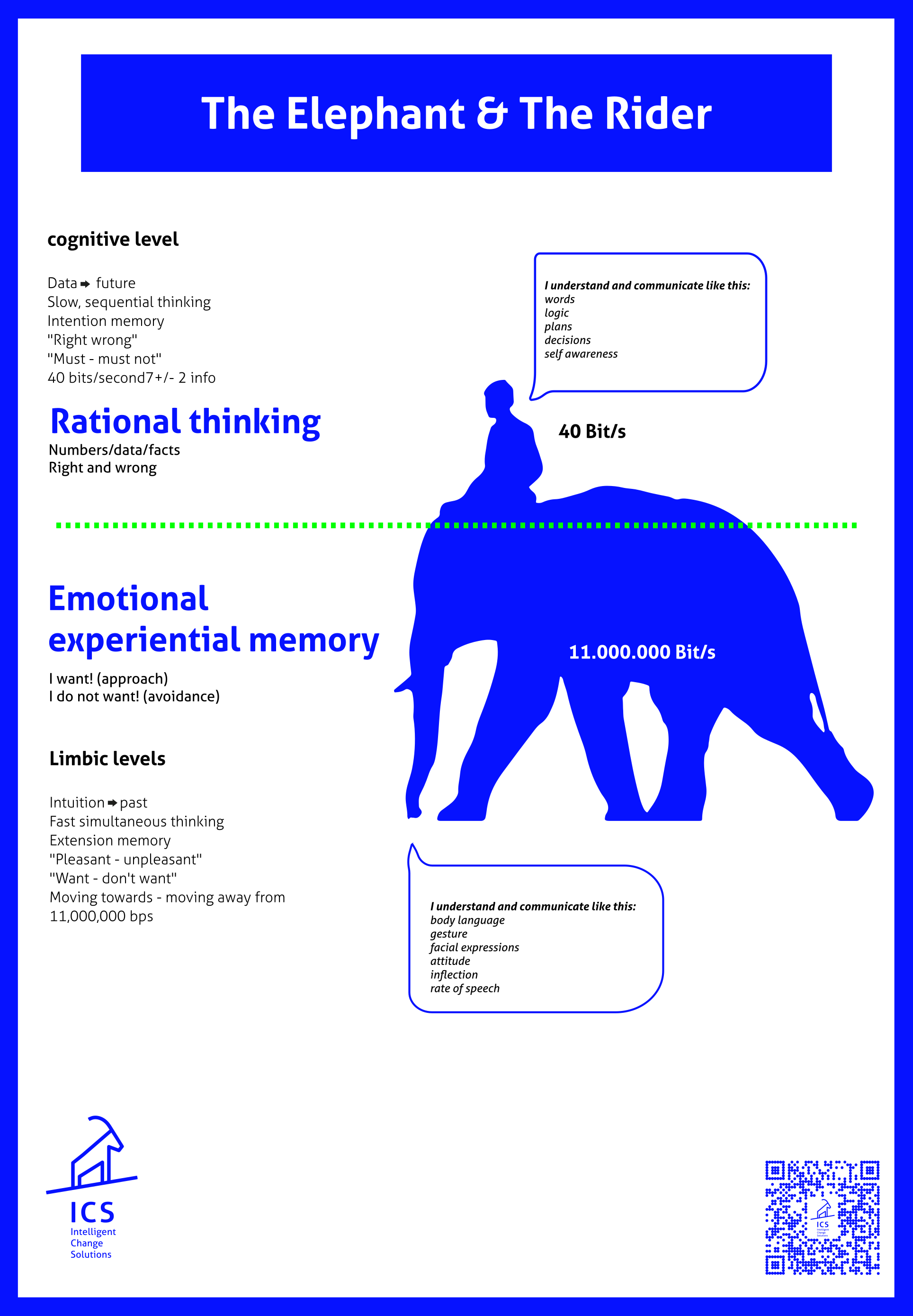
The Elephant and Rider Model (translated from the German “Elefant und Reiter Modell”) is a psychological framework that illustrates the interaction between rational thinking and emotional impulses in decision-making and behavioral change.
The model, originally developed by psychologist Jonathan Haidt, describes two key components of human decision-making:
The Rider: Planning with Logic
The Rider looks ahead to future steps, tasks, and challenges, responding with logical and rational explanations and solutions.
The Elephant: Driven by Emotion
The Elephant compares the present to past experiences, reacting emotionally and intuitively. This can manifest as either approach motivation (moving towards something) or avoidance motivation (moving away from something).
When Logic Isn’t Enough
The Rider can plan the best route, but if the Elephant resists, progress will be difficult.
Sustainable change happens when both are aligned: logic provides direction, and emotions supply the necessary drive.
If the Rider overanalyzes or lacks clear motivation, the Elephant will follow its habits or impulses.
How to Use the Model in Leadership and Change
Motivating Teams: Address both rational goals (e.g., clear targets) and emotional engagement (e.g., meaningful vision).
Managing Change: Acknowledge employees’ emotions and provide logical structure to ease transitions.
Decision-Making: Balance rational planning with emotional buy-in to ensure commitment and follow-through.
Putting It All Together: Lead with Head and Heart
This model is widely used in behavioral psychology, leadership development, and change management to create more effective and lasting transformations.
References
Jonathan Haidt: The Happiness Hypothesis
Daniel Kahnemann: Thinking, fast and slow