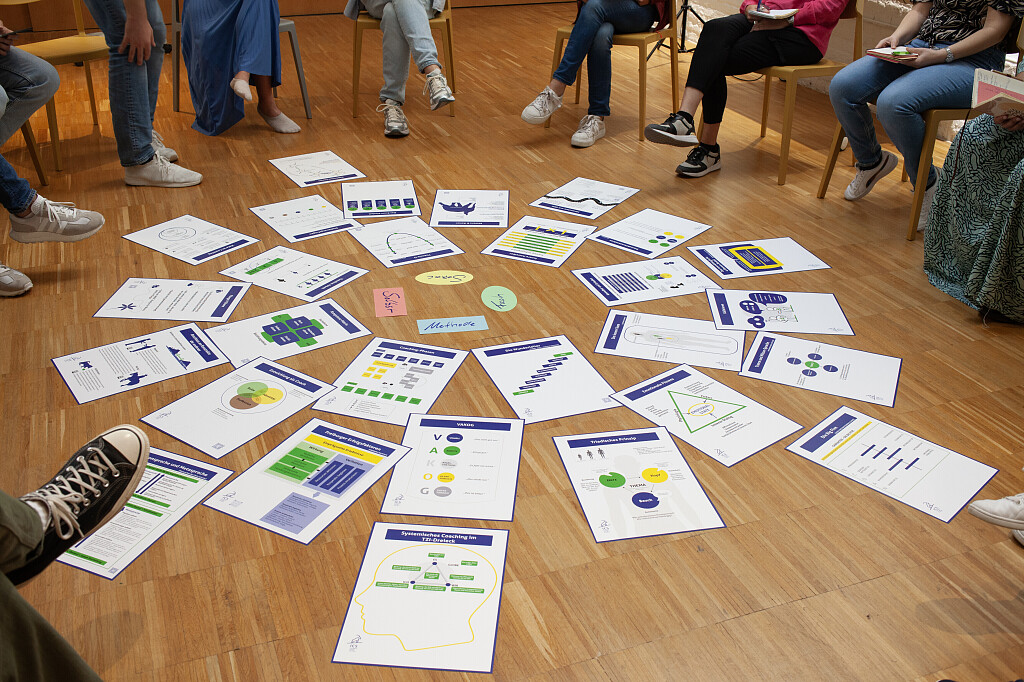
What is the Competence Matrix?
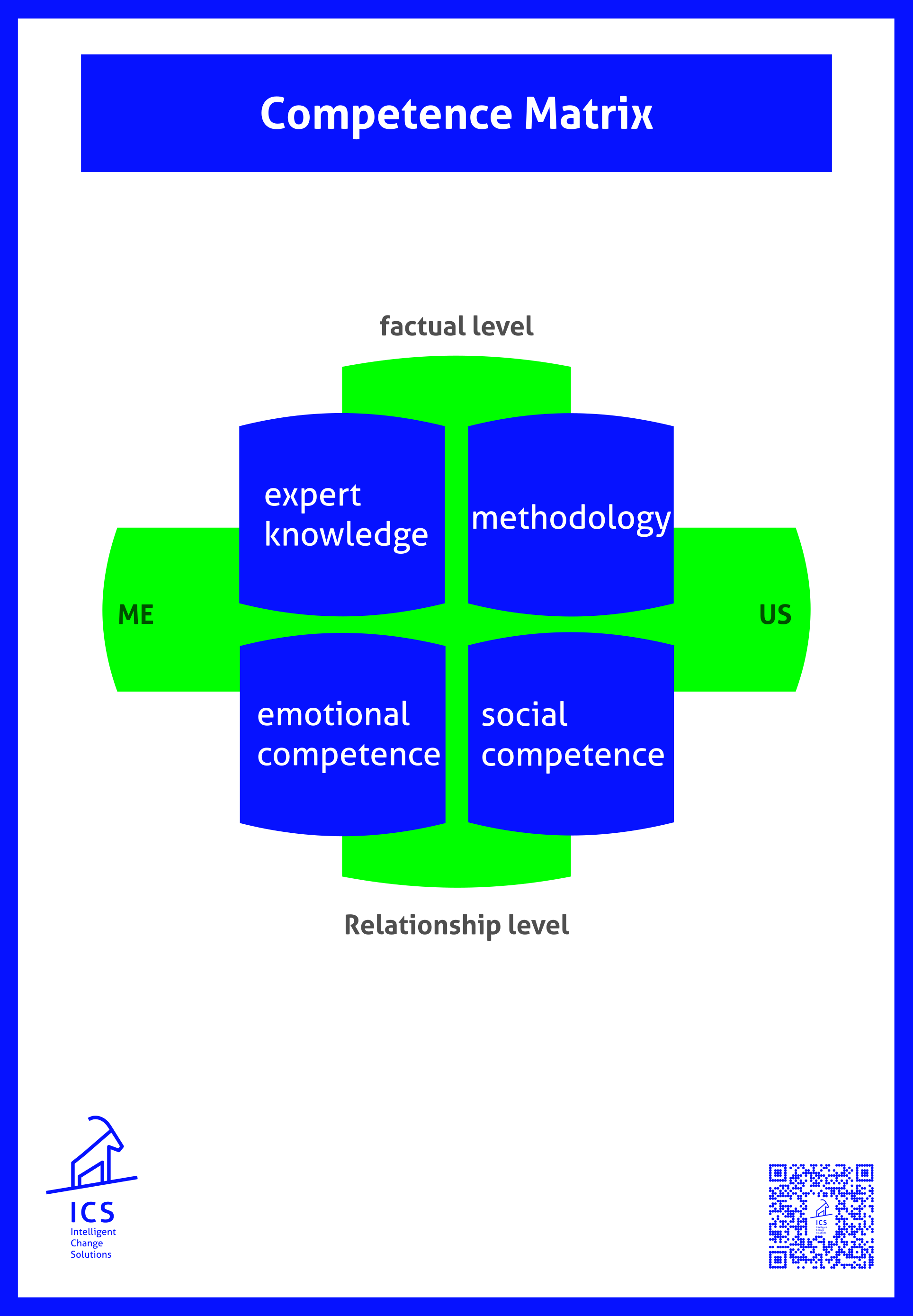
The Competence Matrix is an effective framework for understanding and organizing competences. It categorizes competencies into four main areas: factual knowledge, methodology, emotional intelligence, and social intelligence. This matrix not only aids in personal development and assessment but also assists organizations in identifying and nurturing talent effectively.
Why organize competences into four areas?
The Competence Matrix is a structured approach to categorize essential skills and knowledge. It’s like a map that guides individuals and organizations in understanding and developing key competencies. This matrix is divided into four primary areas:
Factual Knowledge: This pertains to concrete facts and data relevant to a specific field or area of expertise.
Methodology: These are the techniques or processes applied in solving problems or executing tasks.
Emotional Intelligence: This involves the awareness, control, and expression of one’s emotions, and the ability to handle interpersonal relationships judiciously and empathetically.
Social Intelligence: This refers to the ability to navigate and negotiate complex social situations and environments effectively.
By organizing competences in this matrix, individuals and organizations can create a comprehensive picture of current capabilities and areas for improvement.
Detailed Areas of the Matrix
1. Factual knowledge: The foundation of expertise
Factual knowledge is the foundation of any expertise. It encompasses the raw data, theories, principles, and details specific to a particular field. For instance, in a medical profession, factual knowledge includes understanding human anatomy, diseases, and medications. This type of knowledge is typically acquired through formal education and continuous learning. In the workplace, employees with substantial factual knowledge are often seen as go-to experts for factual queries and insights.
2. Methodolog: Bridging knowing and doing
Methodology refers to the set of practices, procedures, and rules used in a particular area or discipline. It involves knowing how to apply factual knowledge through specific techniques and strategies to solve problems or achieve objectives. For example, a project manager’s methodological competences might include proficiency in project planning tools, risk management strategies, and team coordination techniques. This component is crucial as it bridges the gap between knowing and doing, allowing individuals to apply their knowledge effectively in real-world situations.
3. Emotional intelligence: Leading with empathy
Emotional intelligence is the capacity to be aware of and control one’s own emotions, and to handle interpersonal relationships thoughtfully and empathetically. It includes skills such as self-awareness, self-regulation, motivation, empathy, and social skills. In the workplace, emotional intelligence is critical for leadership, teamwork, and customer service. It enables individuals to communicate effectively, manage conflicts, inspire others, and create a positive work environment. High emotional intelligence can lead to better decision-making, improved mental health, and stronger professional relationships.
4. Social intelligence: Navigating human dynamics
Social intelligence is the ability to successfully navigate and negotiate complex social relationships and environments. It involves an understanding of social dynamics, cultural norms, and the ability to read others’ emotions and behaviors. Social intelligence allows individuals to adapt to different social settings, build networks, and influence others effectively. It’s particularly important in roles that require negotiation, persuasion, or public speaking. In the workplace, socially intelligent employees can foster collaboration, drive change, and contribute to a cohesive company culture.
Conclusion: A holistic view of competence
In conclusion, by organizing competences into these four categories—factual knowledge, methodology, emotional intelligence, and social intelligence—the Competence Matrix provides a comprehensive framework for understanding and developing essential skills and knowledge. Whether used for personal growth or organizational development, this matrix helps identify strengths and areas for improvement, facilitating targeted learning and development efforts. This holistic approach ensures that individuals are not only knowledgeable and technically proficient but also emotionally and socially adept, which is crucial for success in today’s complex and rapidly changing world.